
Trust, Not Technology: What Brian Chesky's Tokenization Comments Reveal About the Next Phase of RWA Adoption

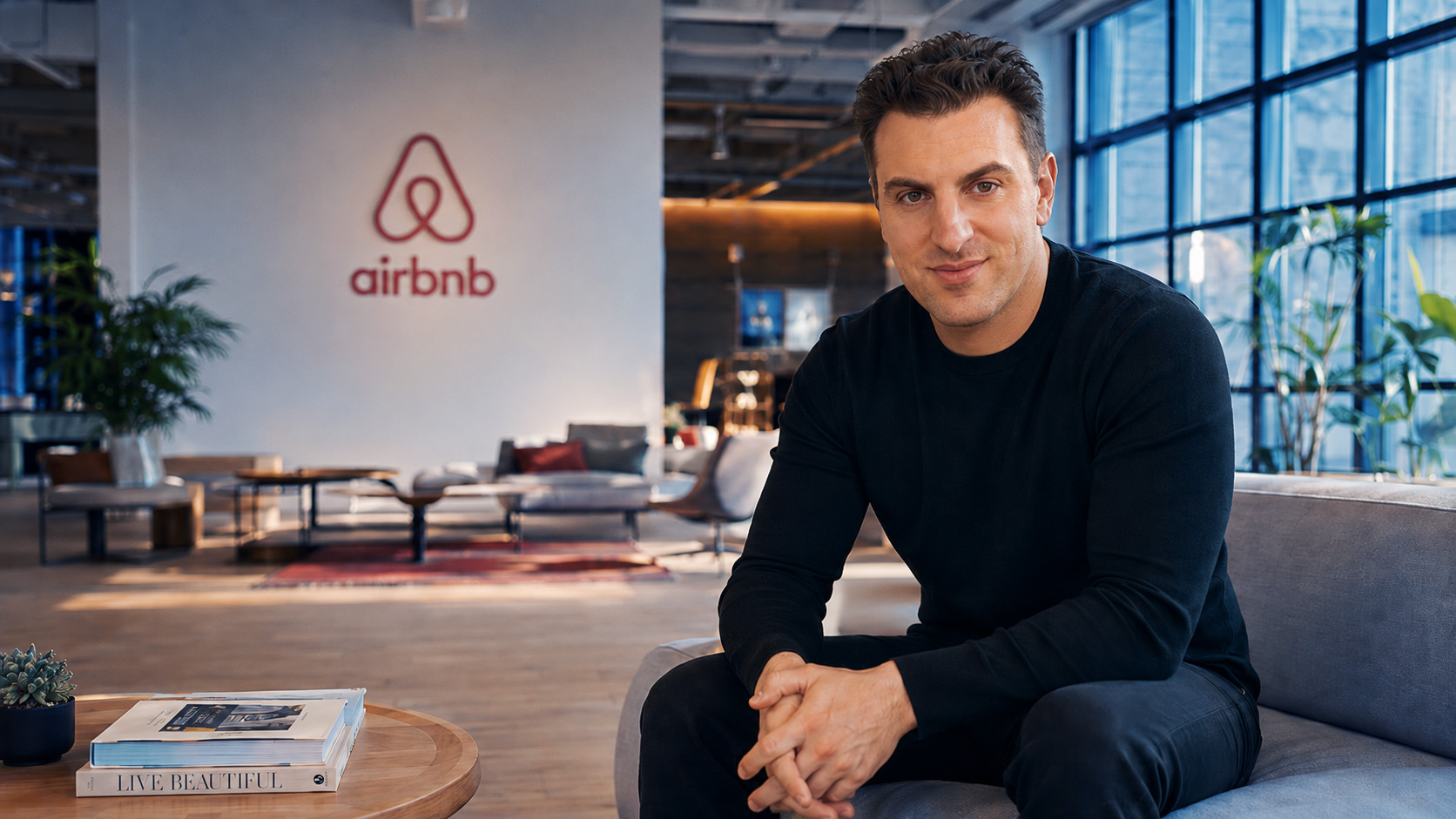
Brian Chesky doesn't post about crypto. That's what made this week's thread notable.
The Airbnb CEO weighed in on real world asset (RWA) tokenization following Robinhood CEO Vlad Tenev's characterization of tokenization as an unstoppable force reshaping global finance. Chesky's response wasn't a speculative take on token prices or blockchain protocols. It was a structural argument about ownership itself, and it's worth taking seriously precisely because it came from someone who built one of the most trusted marketplaces on earth without ever needing a blockchain to do it.
Chesky's framing was simple. The internet made information liquid. Tokenization makes ownership liquid. Fractional stakes in real estate, private equity, infrastructure, bonds, and art could move as easily as a text message, with instant settlement, 24/7 markets, lower transaction costs, and fewer intermediaries standing between an owner and their asset.
But the more interesting part of his thread wasn't about mechanics. It was about what actually determines whether any of this works.
Technology Creates the Possibility. Trust Creates Adoption.
Chesky drew a direct line back to Airbnb's founding problem. In the early days, the idea that strangers would let other strangers sleep in their homes sounded absurd. The blocking issue was never the booking technology. It was trust. Airbnb only scaled once it built the infrastructure around trust itself: identity verification, reputation systems, governance, and dispute resolution.
His argument is that tokenization faces the identical challenge. The blockchain is not the hard part. The hard part is building the identity, governance, and dispute resolution layers that make people comfortable holding a fractional, tokenized claim on a real asset. Chains will commoditize. Trust infrastructure won't.
This is a meaningfully different argument than most tokenization commentary, which tends to fixate on the technology stack: which chain, which protocol, which settlement layer. Chesky is arguing that layer is close to irrelevant. The companies that win will be the ones that solve governance first.
Why This Matters Beyond One CEO's Thread
Chesky's comments land in the middle of a broader convergence. BlackRock, Robinhood, Franklin Templeton, JPMorgan, Apollo, and Fidelity have all been moving toward the same conclusion from different directions: tokenization isn't a crypto trend, it's the next evolution of capital markets infrastructure.
What Chesky adds to that chorus is a perspective none of those institutions can offer in quite the same way. He's not a capital markets executive describing settlement efficiency. He's a marketplace builder who has already solved the trust problem once, at scale, for short term housing, an asset class that seemed just as improbable to strangers in 2008 as tokenized real estate ownership seems to institutional allocators today.
The pattern he's describing has shown up before, at each layer of digitization:
- The internet digitized information.
- Social media digitized identity.
- AI is digitizing knowledge and work.
- Tokenization digitizes ownership.
Each of those transitions succeeded or stalled based on trust infrastructure, not raw technical capability. Chesky's framing suggests the same will be true here, and that the winners in tokenization won't be defined by which chain they choose, but by whether they can replicate what Airbnb built: verifiable identity, durable reputation, real governance, and functioning dispute resolution, applied to asset ownership instead of home sharing.
For institutional allocators and infrastructure builders watching this space, that's a more useful signal than any specific asset class prediction. The technology is increasingly a solved problem. The governance layer is not, and that's where the next decade of tokenization's winners and losers will actually be decided.
A Decade Old Thesis, Arriving on Schedule
We've been building toward this exact conclusion since 2016, the year Deal Box was founded as one of the first firms to tokenize a real world asset. Nearly a decade later, watching a founder of Chesky's caliber arrive independently at the same governance first framework isn't a surprise to us. It's confirmation of a thesis we've been executing against across every layer of the ecosystem we've built: Deal Box for capital formation and advisory, True I/O for identity and verifiable credentialing, Orobit for Bitcoin native institutional infrastructure, and Token Clear for advising public and private issuers on Digital Asset Treasury 2.0 strategy.
Chesky's insight, that trust infrastructure rather than blockchain selection determines which tokenization efforts survive, is the same design principle behind that stack. Identity and reputation without verifiable credentialing is just a claim. Governance without dispute resolution is just a policy document. It's the reason we built True I/O around UCID, a universal, Bitcoin native naming and identity layer (BTCNames), rather than treating identity as an afterthought bolted onto a token standard.
A tokenized asset is only as trustworthy as the identity attached to its owner, its custodian, and every counterparty in between. That's the same problem Chesky solved for Airbnb hosts and guests, just applied to asset ownership instead of a spare bedroom. The chain settling the transaction is commodity infrastructure. The identity layer verifying who's actually on either side of it is the layer worth owning at scale.



Fintech
Newsletter.


